The escalation of military tensions between Iran, the United States and Israel, as well as the closure of the Strait of Hormuz, have begun to directly affect the steel sector due to rising energy and logistics costs.
Expectations of rising oil and natural gas prices pose the risk of increased production costs, while disruptions in shipping lead to higher freight rates and longer delivery times.
According to experts, if tensions persist, supply constraints in the sector, difficulties in finding raw materials and rising prices for finished products may become inevitable.
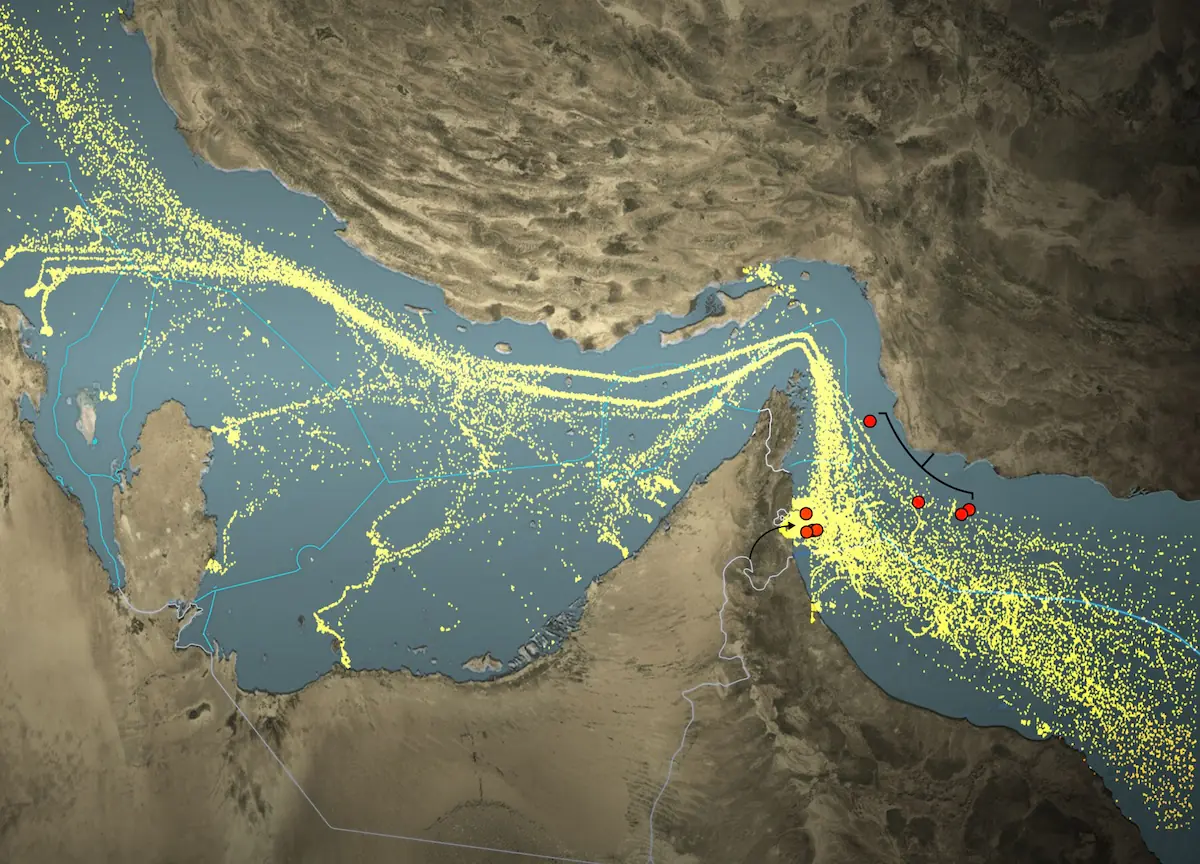
The escalation of military tensions between Iran, the United States and Israel, along with de facto transit restrictions in the Strait of Hormuz, has caused a new disruption in global energy and logistics chains.
The growing risks around the Strait of Hormuz, through which approximately 20% of the global oil trade passes, have led to renewed price increases in energy markets and severe disruptions in maritime transportation, bringing cost and supply pressures to the forefront of the metallurgical sector.billion.
Fertilizers, grain, industrial equipment and steel pipes stand out among the main trade goods between the two countries, and contacts continue in the energy sector.
It is noted that in case of interruptions in the supply of oil for export from Iran, Qatar and Kuwait, oil prices may rise to the level of $ 100 per barrel.
Such a scenario could accelerate the redirection of Russian oil to markets such as China, India, and Turkey.
Any potential increase in energy prices is expected to have a direct impact on the cost of production of cast iron and steel due to higher prices for natural gas and electricity.
Experts emphasize that energy costs remain particularly crucial for enterprises operating electric arc furnaces (EDP).
If tensions in the Strait of Hormuz persist, persistently high energy prices could lead to higher steel production costs per ton.
Tightening of logistics and pressure on freight transportation
On the sea side, the situation looks even more complicated.
Due to security threats in and around the Strait of Hormuz, many shipowners either suspended flights or were forced to switch to longer and more expensive routes.
As for steel, a large-tonnage product that is very sensitive to transportation costs, this development directly affects prices.
Freight rates are rising rapidly and delivery times are increasing, while buyers and sellers are reportedly reluctant to sign new contracts amid uncertainty.,