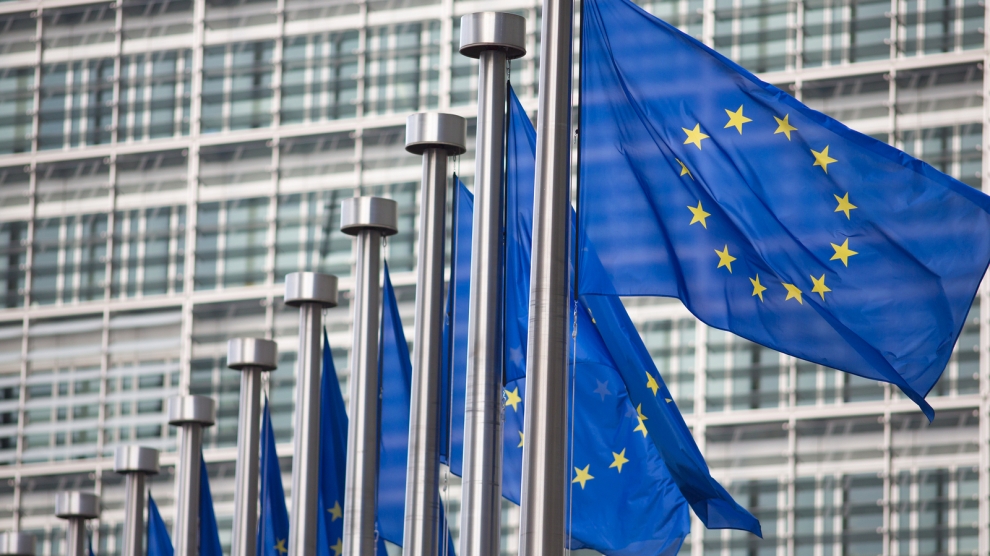
The European Commission announced that it has approved a Slovenian 78 million euro support program designed to partially compensate energy-intensive companies for higher electricity costs associated with carbon pricing under the EU's Emissions Trading System (ETS).
This measure specifically addresses the indirect costs of emissions that arise when carbon prices raise wholesale electricity prices.
Steel industry and other energy-intensive industries that meet the requirements
This scheme applies to companies operating in sectors that are highly energy intensive and subject to international competition. The relevant industries include ferrous metallurgy, aluminum and other metals, the production of paper and chemicals.
The support will cover up to 75 percent of the indirect emissions costs incurred between 2025 and 2027. Payments will be made next year, and the final payment is scheduled for 2028 to offset the costs incurred in 2027.
Performance benchmarks and requirements for carbon-free electricity
To improve energy efficiency, the calculation of assistance will be based on electricity consumption benchmarks that encourage the most efficient production processes.
Companies applying for compensation must demonstrate that at least 30% of their electricity consumption is carbon-free. In addition, beneficiaries will have to reinvest aid in climate protection measures within two years of receiving the final payment.
The Commission concluded that this measure is necessary, appropriate and proportionate to reduce the risk of carbon leakage and the transfer of energy-intensive industries to jurisdictions with less stringent climate policies, which could otherwise lead to an increase in global greenhouse gas emissions.
Author: SteelOrbis Editorial Team
Steelorbis.com