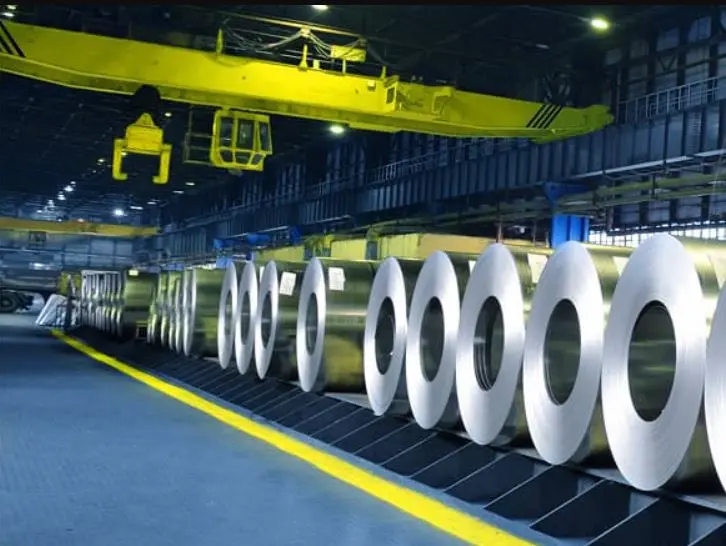
Worldstainless is a stainless steel industry organization and a subsidiary of the World Steel Manufacturers Association (worldsteel), which represents manufacturers accounting for 85% of global steel production, as well as national and regional steel industry associations around the world. Argus spoke with Tim Collins, Secretary General of Worldstainless, on the sidelines of the International Chromium Manufacturers Association conference about the growth of stainless steel production and the importance of reliable supplies of raw materials, especially for the production of metallic chromium.
What do you expect from the supply of steel and demand for it in 2025?
In terms of demand, we know that (global) demand will remain a bit weak, but we expect a slight increase after the first quarter of 2026. We expect demand to grow by 2-2.5%, but it will be uneven. In some sectors, such as nuclear power and other renewable energy sources, the growth rate will be slower. But in other areas, people are becoming disillusioned with non-metallic materials, especially composites and plastic-based materials, so there is room for growth in stainless steel production as people change their purchasing decisions. We are looking further down the supply chain.
Why is it important to diversify chromium production?
Chromium is important to us because it is what makes stainless steel stainless. We are a growing industry, with ferro-chromium consumption growing by 5% year-on-year. This scheme has been in effect since 1980. We need a geographically balanced production platform for ferro-chromium production. If the regions do not have their own or almost domestic production of ferro-chromium, this has a bad effect on the entire stainless steel industry. What we don't want is an absolute monopoly. Stainless steel manufacturers want to have a more diversified production landscape, otherwise we will have huge reserves that no one needs.
Why is improved scrap recycling so important?
If we look at the global average level of stainless steel production, the share of recycling is on average 48%, although this depends on the region. About half of the chromium we need comes from recycled materials. But we lose about 600,000 tons of chromium contained in scrap metal in the production of low-alloy steel. If we could collect all this and recycle it into new stainless steel, it would reduce the current average emissions (from stainless steel production) by 10%. This is an improvement that is difficult to achieve with the help of technological production.
What other raw materials are a priority?
If you take a look