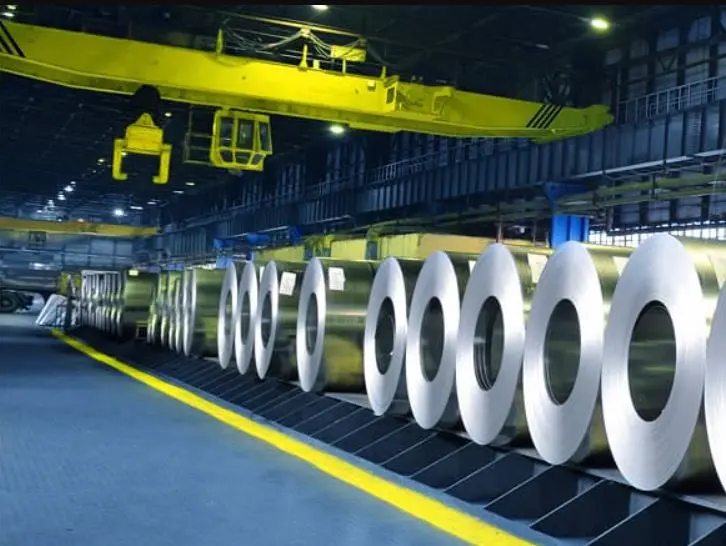
Turkish manufacturers began to pay more and more attention to sales of galvanized steel in the EU in the first quarter of 2026, as they seek more stable and long-term orders, and protectionist measures affect demand from steel traders and service centers.
Factories are struggling to maintain traditional export flows ahead of the entry into force in January of the carbon dioxide Emissions Control mechanism (CBAM) and the expected regime next year after the introduction of protective measures. These changes have made short-term spot sales less attractive, and movers are focusing on long-term vehicle supply contracts that provide more predictable demand and higher profit margins. Currently, the plants are focused on processing manufacturers, rather than traders and steelmakers. "Working with traders right now is not very profitable," said one of the manufacturers.
Turkish steel exports to the EU are currently at a low level due to uncertainty about when the post-warranty mechanism will be introduced next year. Market participants expect quotas to be sharply reduced, while CBAM-related taxes will increase supply. Exporters said they were hampered by weak customer interest, as most buyers were still taking a wait-and-see attitude. "Even our regular customers have stopped placing orders because they don't want to buy without knowing what tax they will have to pay extra," said a re-rollers representative.
This situation prompted re-rollers to sign contracts for the supply of cars in the EU, where demand for them has increased compared to other sectors. Cancellation (in the ratio of 3:6) (in the ratio of 3:4) quota restrictions for individual countries on HDG 4B in accordance with the EU protective rules also increased the expectations of Turkish market participants that the allocation of quotas for this category will be less restrictive. "When country restrictions were introduced for 4B, it caused a lot of negative reaction, and eventually they lifted them. I think this will affect the market to a lesser extent than others," said a representative of re-roller.
Demand for cars in Spain is currently high, with passenger car production[url=https://direct.argusmedia.com/newsandanalysis/article/2747227]showing consistent monthly growth in January-September, according to European data. Data from the Association of Automobile Manufacturers. Germany also provides significant demand due to its higher production capacity, but "this market is difficult to penetrate," the seller said. Romania has created a steady demand for HDG 4B steel, but some


