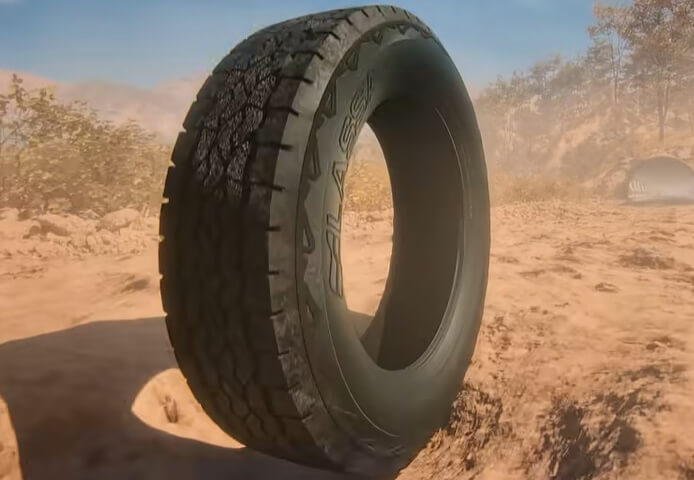
Keeping Your Tires Safe and Reliable
Your tires are the only part of your vehicle that directly touch the road — making them one of the most critical components for safety, performance, and fuel efficiency. Over time, even the best tires wear out due to regular use, weather exposure, and road conditions. Recognizing the warning signs early can help prevent accidents, improve handling, and save you from costly repairs.
Knowing when to replace your tires isn’t just about comfort; it’s about safety. Let’s explore the most common signs that indicate it’s time to invest in a new set of tires.
1. Worn Tread Depth
Why Tread Matters
Tread depth is the pattern of grooves on your tires that allows them to grip the road, channel water, and prevent skidding. Over time, tread wears down — reducing your tire’s ability to stop quickly and handle safely, especially on wet or slippery surfaces.
In most countries, the legal minimum tread depth is 1.6 mm (2/32 of an inch), but it’s recommended to replace your tires once they reach 3 mm to maintain optimal safety.
How to Check Tread Depth
You can easily check tread wear using:
- A Tread Depth Gauge – A small, inexpensive tool available at any auto store.
- The Penny Test – Insert a penny into the tread groove with Lincoln’s head facing down. If you can see the top of his head, your tread is too shallow and it’s time for new tires.
2. Uneven Tire Wear
What Causes Uneven Wear?
If your tires are wearing out faster on one side or in patches, it’s a sign of underlying issues. Uneven wear can be caused by:
- Improper wheel alignment
- Incorrect tire pressure
- Suspension problems
- Worn-out shocks or struts
Why It’s Dangerous
Uneven wear not only shortens the lifespan of your tires but also affects steering stability and braking performance. If you notice one tire wearing faster than the others, have your alignment checked immediately — and if the wear is significant, it’s time to replace the affected tires.
3. Cracks and Bulges in the Sidewall
Cracks – A Sign of Aging Rubber
Inspect the sidewalls of your tires regularly for cracks, cuts, or dry rot. These signs often occur due to aging, sun exposure, or extreme temperatures. Cracked sidewalls weaken the structural integrity of the tire, increasing the risk of a blowout.
Bulges – A Sign of Internal Damage
If you see a bubble or bulge on the side of your tire, it means the internal cords have been damaged, often due to hitting potholes, curbs, or debris. This is extremely dangerous — as the tire could fail suddenly at high speeds. If you notice bulging, replace the tire immediately.
4. Vibrations While Driving
Normal vs. Abnormal Vibrations
Some vibration is expected when driving on rough roads, but persistent or increasing vibration, especially at higher speeds, could signal tire trouble.
Possible Causes
- Tire imbalance or bent rims
- Uneven tire wear
- Internal tire damage
- Wheel alignment issues
If the vibrations don’t go away after balancing or alignment, have a professional inspect your tires. Damaged or warped tires must be replaced to restore smooth, safe driving.
5. Excessive Noise or Rough Ride
Unusual Sounds and What They Mean
When your tires start making loud humming, thumping, or grinding noises, it’s a warning that something isn’t right. Often, it’s due to uneven tread wear, cupping, or internal separation within the tire.
Why It’s Important
Driving with noisy or unstable tires isn’t just uncomfortable — it can indicate deeper mechanical issues or impending tire failure. Replacing your tires will restore a quieter, smoother, and safer ride.
6. Low Tire Pressure That Keeps Returning
Constant Deflation Is a Red Flag
If you find yourself frequently refilling air in one or more tires, you might be dealing with:
- A slow leak or puncture
- A damaged valve stem
- A cracked wheel rim
- Worn or damaged tire bead
While minor leaks can sometimes be repaired, tires with recurring pressure loss often have internal damage that can’t be safely fixed. If pressure problems persist, replacement is the safest option.
7. Tires Are More Than Six Years Old
Tire Age Matters Even If They Look Fine
Even if your tires appear to be in good shape, rubber deteriorates over time. Most tire manufacturers recommend replacing tires every six to ten years, regardless of tread wear, due to aging and loss of elasticity.
You can check your tire’s manufacture date by looking for the DOT code on the sidewall. The last four digits indicate the week and year the tire was made (for example, “2319” means the 23rd week of 2019).
If your tires are more than six years old, have them professionally inspected — and consider replacing them for safety.
8. Poor Fuel Efficiency
How Tires Affect Fuel Economy
Worn or improperly inflated tires create more rolling resistance, forcing your engine to work harder and burn more fuel. This not only reduces mileage but also increases wear on your car’s drivetrain.
Solution
If you notice a drop in fuel efficiency along with other signs of wear, it could be time for a new set of fuel-efficient tires designed for lower resistance and better performance.
9. Weather and Seasonal Factors
Tires Must Match the Conditions
Using the wrong type of tire for your climate can accelerate wear and reduce safety. For instance:
- Winter tires harden and lose grip in hot weather.
- Summer tires become stiff and unsafe in freezing conditions.
- All-season tires may wear faster in extreme environments.
If you’ve been using the same tires year-round and they show signs of cracking, hardening, or poor grip, consider replacing them with season-appropriate options.
10. Loss of Traction and Handling
Decreased Grip Means It’s Time
When you start noticing longer braking distances, difficulty cornering, or sliding on wet roads, it’s a sign your tires are losing traction.
Why You Shouldn’t Wait
Reduced grip is one of the clearest signs your tires are past their prime. Even if the tread looks okay, rubber compounds harden over time, reducing flexibility and performance. Replacing your tires will dramatically improve handling, control, and safety.
Maintaining Tire Health for Longevity
Simple Tips to Extend Tire Life
While tire replacement is inevitable, regular maintenance can help maximize their lifespan:
- Check tire pressure monthly.
- Rotate tires every 8,000–10,000 km (5,000–6,000 miles).
- Ensure proper wheel alignment and balance.
- Avoid overloading your vehicle.
- Store seasonal tires correctly to prevent damage.
By maintaining your tires, you’ll enjoy a smoother ride, better fuel economy, and fewer costly repairs over time.
Drive Safe — Don’t Wait Until It’s Too Late
Your tires are your car’s foundation. Ignoring the signs of wear can lead to poor handling, longer stopping distances, and dangerous blowouts. Regular inspections and timely replacements keep you — and everyone on the road — safe.
If any of the warning signs above apply to your tires, don’t delay. Visit a trusted tire shop or auto service center to have them inspected and replaced. A fresh set of tires is more than an upgrade — it’s an investment in your safety and peace of mind.