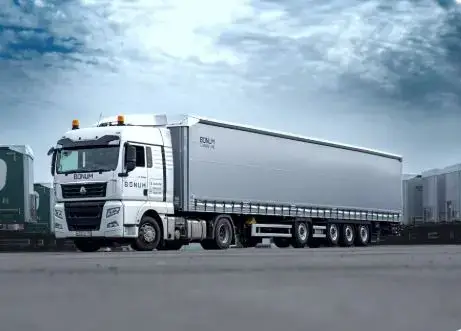
Operating a grain truck in Russia is much more than just transporting cargo from point A to point B. This is a difficult challenge that famous Russian roads pose to drivers, technicians and logisticians. The quality of this work directly affects the safety of the crop, the profitability of transportation and, ultimately, the food security of the country.
The article you are starting to read is not a dry set of rules. This is a practical guide based on the realities of our off-road environment, the experience of truckers and the specifics of grain cargo. We will figure out how to buy a used grain truck, how to prepare the equipment for departure to the highway, what risks lie in wait on the way and how to deal with them. Here you will find not theory, but applied knowledge that will help save the cargo, the car, and the nerves of the crew.
We'll talk about what usually goes behind the scenes: the intricacies of driving, the nuances of maintenance, and the tricks of proper loading. Understanding these features is the key to successful and safe work in conditions that seem extreme to most other countries.
Typical road conditions and their impact on grain trucks
Russian roads are a separate universe with their own laws and tests for any truck. Grain carriers, which often operate away from highways, face the full range of these problems. Understanding the specifics of the coating is the first step to preventing breakdowns and accidents.
1. Off-road and dirt driveways
Field and warehouse roads are the main challenge for a grain truck driver. After the rain, they turn into a viscous clay porridge, where it is easy to slip even with all-wheel drive. The main danger is not just getting stuck, but rolling the car to the side, which can lead to overturning due to the high center of gravity of the loaded trailer.
2. Broken regional roads
The condition of many roads between the districts leaves much to be desired. Constant shaking from uneven pavement, pits and waves (comb) create extreme vibration loads. This leads to accelerated wear of critical components.:
- Undercarriage: springs, shock absorbers, and silent blocks fail faster.
- Frame and bodywork: fatigue cracks appear in the metal, and welds weaken.
- Equipment fastenings: flaps and unloading mechanisms may become loose.
3. Long-range highways
It would seem that the simplest movement is here. But even here there is a hidden threat — long periods of monotonous movement with constant speed and vibration. This can cause self-sealing of the grain in the body, which creates problems during unloading. In addition, driver fatigue on such routes is an additional factor.