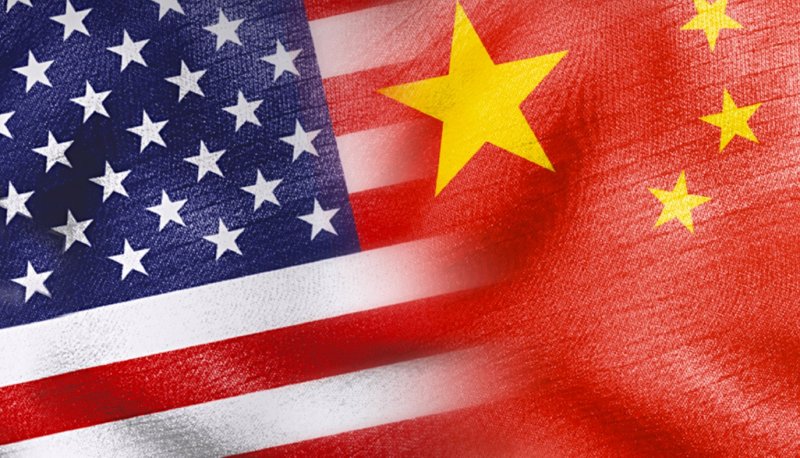
The United States and China agreed on Monday to temporarily reduce the so-called reciprocal tariffs and related countermeasures from 115% to 10%, according to Kallanish.
The announcement made in Geneva states that both countries will suspend these tariffs for 90 days in order to continue negotiations on "restoring trade balance." During this period, both countries will have a base tariff rate of 10%. Other U.
S. tariffs on Chinese goods were also maintained, including a 20 percent rate related to fentanyl, U.
S. officials said at a news conference.
In addition, China will suspend or cancel non-tariff countermeasures taken against the United States since April 2, which include export restrictions.
Their joint statement said that the trade talks in Geneva between Chinese Vice Premier He Lifeng, U.
S. Treasury Secretary Scott Bessant, and U.
S. Trade Representative Jamison Greer had created "a mechanism to continue consultations on economic and trade relations."
The deal recognizes the importance of bilateral economic and trade relations for both countries and the global economy. It also addresses the need for "sustainable, long-term, and mutually beneficial economic and trade relations." The countries agreed to continue advancing the negotiations "in the spirit of mutual openness, constant communication, cooperation and mutual respect."
Bessent says it has become clear that "neither side wants to break off relations," while noting that Washington wants China to open up to more American goods. He also points to potential sales contracts to help trade balance, saying that the huge U.
S. trade deficit with China is due to the negligence of previous U.
S. administrations.
The Ministry of Commerce of the People's Republic of China notes that this round of negotiations has become the object of close attention from the international community. The vice premier says Beijing is ready to work with the United States to "bring more certainty and stability to the global economy."
Other current U.
S. tariffs on certain sectors, including 25% duties on cars and auto parts, remain in place. It is still unclear when the new round of negotiations will take place.
ING analysts say that the de-escalation of the trade war is a "win-win" because it benefits both economies. However, they believe that an agreement"that significantly reduces tariffs without any concessions is likely to be seen as a special victory for China. "
" It was a larger-than-expected de-escalation, and it represents