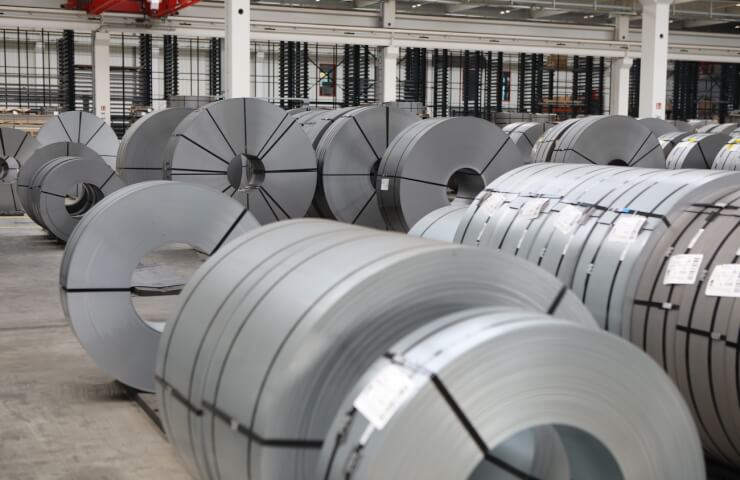
The Italian roll market is in a state of stagnation, and buyers are taking a wait-and-see attitude. They inform Callanish that they do not want to participate in purchases on the European market, referring to the sufficient level of stocks that will allow them to maintain their activities for at least the next three weeks.
The gap in the cost of imported and domestic hot-rolled coils in some cases exceeded 100 euros per ton (113 dollars per ton). While processors still have work to do, service centers are reporting weak demand. In general, demand continues to be low, which leads to a significant reduction in prices and profitability in secondary markets. The prices of rolled steel fell below the threshold of 700 euros per ton with delivery again. The hot-rolled sheet is sold at a price of 680 to 690 euros per ton. Pickled products are still sold at a price of 700 euros per ton, which raises serious concerns about profitability.
The pickled food market in Italy, as well as throughout Europe, is experiencing an influx of imported offers at lower prices. Turkey positions itself as an important alternative source of imports for Italy. It is reported that the offers from Turkey range from 520 to 525 euros per ton cfr, including additional duties, and reach 540 euros per ton cfr, including duties. The buyers claim that the first offer will cost about 580 euros per ton, which is considered a competitive level, and the delivery of the material is scheduled for July. Offers from India and North Africa are reappearing at around 540 euros per tonne, while Indonesian HRCs are being offered at prices below 500 euros per tonne.
Manufacturers in the EU are facing a reduction in orders, with announced delivery dates in June and July in Italy at a price of 620 euros per base ton. The level of €600/ton delivered, however, was implemented in the contracts.
The service center reports stable demand both in terms of volume, however, it is experiencing tight limits and does not plan purchases in Europe due to high coil pricing. Given the current prices for sheets and other derivatives, service centers are forced to resort to the services of importers in order to reduce their purchase costs.
Another service center adheres to a similar point of view, assuming that purchasing activity will resume no earlier than July. Inventory levels are average, and given the current low demand, they are experiencing slow depletion.
One trader points out that the current demand for domestic and imported coils is weak as steel processors are operating with declining sales and are focused on depleting existing stocks.
Third