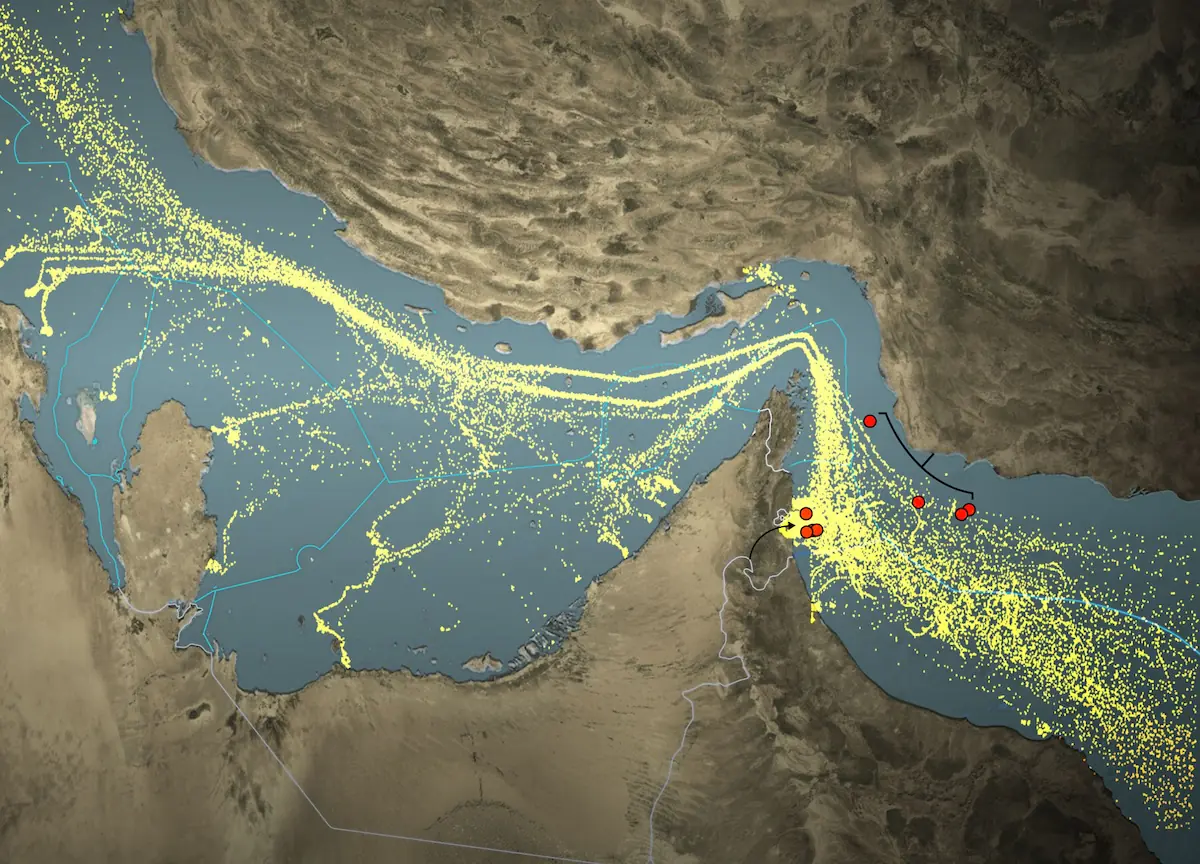
According to market sources, steel imports to Europe are increasing due to the route change, while steel producers are also facing higher energy costs amid massive disruptions caused by the conflict in the Middle East.
Although the full extent of the impact remains uncertain, the EU steel market is closely monitoring developments, avoiding significant purchases.
Increased delivery time
European buyers expect that imports that were previously carried out through the Suez Canal will now have to be redirected to the Cape of Good Hope, which will lead to higher shipping costs and longer lead times. In fact, the first vessels have already used an alternative route.
Market sources estimate that steel shipments to Europe from Asia and the Middle East may take two to four additional weeks compared to initial expectations.
"We are already facing problems when placing orders and forming import proposals. There are a lot of uncertainties both regarding prices and delivery times," said a trader from Northwest Europe.
Supply delays are crucial for European buyers due to the expected tightening of steel import quotas from July 2026. Under the new quota system, it is proposed to reduce the volume by 47% and double duties to 50%. The lack of detailed information on country-specific quotas or any restrictions in global quotas made European importers extremely cautious about steel shipments in the third quarter. Delays in deliveries significantly increase the likelihood of exceeding new, stricter quotas.
The prices of imported steel in Europe are expected to rise due to higher transportation costs. According to sources, this, combined with rising energy prices, is also likely to lead to higher European prices.
"I think that the cost of transportation to the EU will increase, and with it the cost of shipping. On the other hand, the exchange rate is declining, and import prices may rise along with the cost of shipping," the trader said.
Some sources also reported that the lack of import of slabs from Iran may lead to higher prices for thick-rolled products. However, most market participants argued that the volumes in question were not large enough to cause production problems. Alternative sources of slabs are either Brazil, which had no available volumes on the spot market last week, or factories from Asia.
Exporters of rolled steel from Saudi Arabia have recently shown great interest in