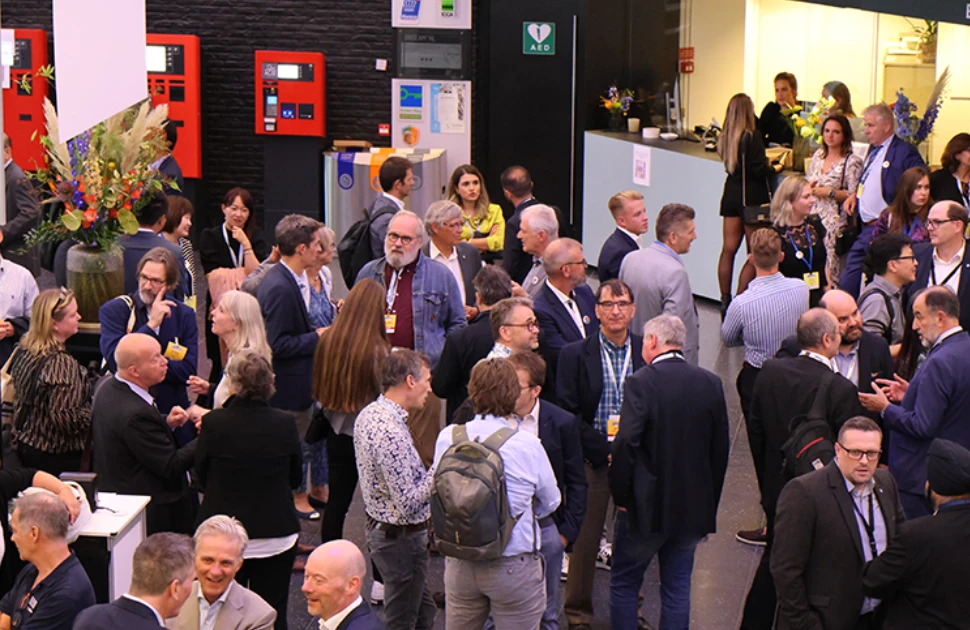
Steelmakers' optimism about rising prices, continued confusion about the EU CBAM, and concerns about the consequences of new trade protection measures in the steel supply chain became a hot topic at the World of Stainless Steel 2025.
MEPS participated in the biennial exhibition and conference held in Maastricht last week.
Lead Researcher Michelle Kirton and steel market analysts Brian Hall and Dan Bennett conducted extensive face-to-face discussions with manufacturers, buyers, merchants, and service centers from across the global stainless steel supply chain.
"It became clear from our conversations in Maastricht that many participants in the European stainless steel market feel trapped between political uncertainty, weak demand and reduced import options," Kirton said, reflecting on the key topics of their discussions in Maastricht.
"Although European manufacturers are using this as an opportunity to achieve higher prices in 2026, many buyers remain cautious about their ability to transfer or absorb additional costs.
"With the approach of CBAM fees and new, tougher measures to replace protective measures, most of the market is adopting a "wait and see" strategy.
"Several participants told MEPS that there has never been a more difficult time to buy and sell steel."
During the three days of the event (November 18-20), participants shared their views on the stainless steel market in Europe, as well as asked questions about MEPS steel prices and price forecasts.
Some of the findings complemented the regular MEPS surveys for the monthly Stainless Steel Review.
However, here we summarize the current topics that dominated these conversations.:
Manufacturers' growing optimism about price increases in 2026
Market participants attending the Stainless Steel World exhibition reported growing optimism among European manufacturers that lower import volumes will allow them to gradually raise prices for stainless steel from current lows in 2026.
Some factories have already offered higher prices during the event.
However, some buyers said they still managed to negotiate discounts on January products, as factories are still striving to secure short-term orders.
Most distributors are still concerned that with a slight improvement in the demand forecast for 2026, they will not be able to raise selling prices for their customers, which will further reduce the profit margin.
The participants reflected on whether the CBAM taxes and the European Commission's proposed replacement of existing measures would have an effect.