The aggravation of trade conflicts and overproduction of steel will lead to a further decrease in cost, experts predict.
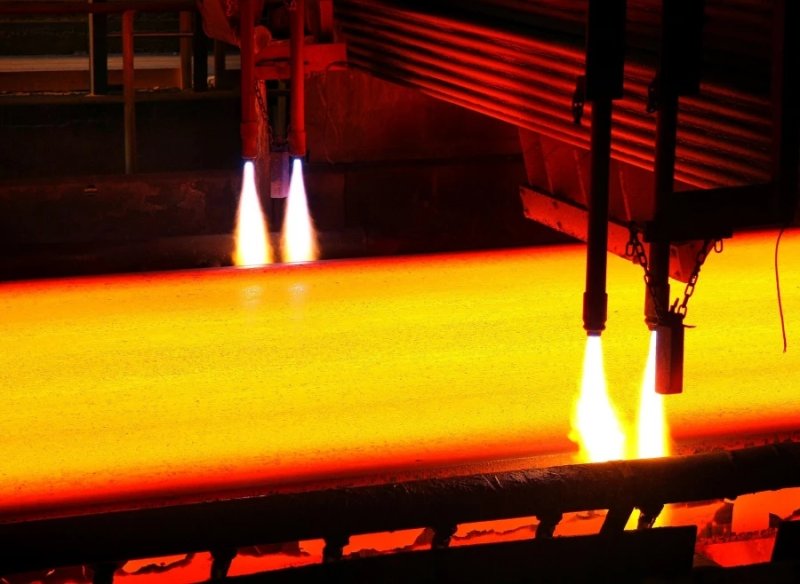
Illustrative photo: MMK.
Export prices for some types of Russian semi-finished steel products and processed products have dropped to crisis levels in 2022, according to data from the Rusmet rating agency, cited by Kommersant.
On May 4, a Russian steel billet on FOB Black Sea terms cost 34.71 thousand rubles per ton. This is the lowest figure since the end of December 2022. At least for the same period, the quotations for hot—rolled products were also updated - 37.7 thousand rubles per ton. The cost of a cold—rolled roll dropped to 47.8 thousand rubles per ton, the lowest since the beginning of 2023. These prices are significantly lower than the cost of non-integrated steel producers, says Boris Krasnozhenov, head of the Securities Market Analytics Department at Alfa Bank.
According to NRA forecasts, steel prices in the world may decrease by another 5% before the summer due to the aggravation of the geopolitical confrontation and the continued high level of surplus of steelmaking capacity.
The NRA estimates the surplus of the latter in the world at about 640 million tons and expects this figure to rise to 720 million tons by 2027. The global steel capacity utilization rate is about 76%, which suggests that existing global capacities are underutilized, according to ACRA.
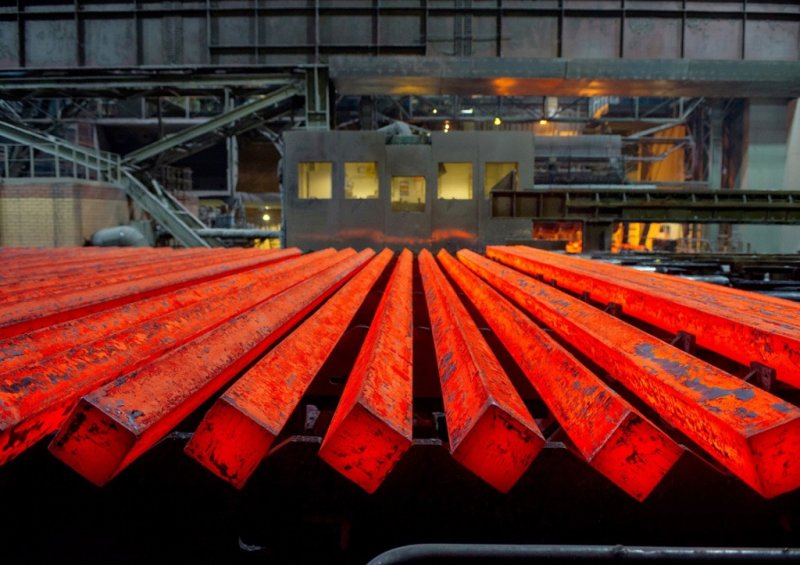
Illustrative photo: Metalloinvest.
Sergey Grishunin, managing Director of the NRA rating service, says that the fall in steel prices continues amid trade wars and expectations of a significant slowdown in the global economy.
"We also see an escalation of geopolitical conflicts around the world (tensions between India and Pakistan have escalated again), which further increases the risks of dividing world trade into blocks," adds Grishunin.In addition, according to the expert, prices for ferrous metals reflect the expected decline in demand in China amid declining exports and low activity in the real estate sector. Demand is not growing in other large markets either, says Sergey Frolov, Managing Partner of NEFT Research. Thus, he notes, the consumption of rolled metal in Turkey fell by 23.2% in March and by 7.3% in the first quarter. The price drop is also related to seasonality — the construction season has not fully revived yet, adds Ilya Makarov, director of the corporate ratings group at ACRA.
Regionalization will become the trend of 2025 in terms of pricing in the market,