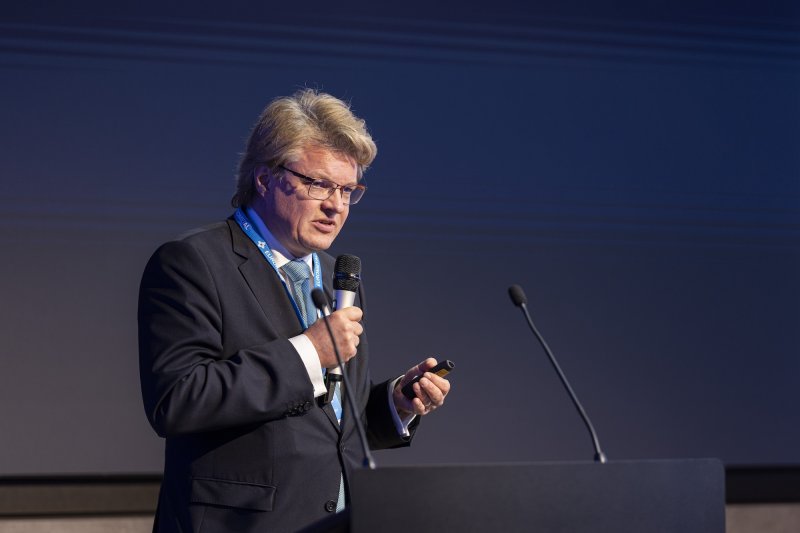
The themes of trade protection and greater self-sufficiency dominated discussions at the EUROMETAL 75th anniversary conference in Luxembourg this week, and the mood of the participants remained decidedly pessimistic.
European factories are suffering from high import penetration and declining demand. Axel Eggert, CEO of the European Steel Producers Association Eurofer, said that 128% of traditional imports can enter the market duty-free, while demand has decreased by 30 million tons in recent years, leading to an increase in the share of imports. In "normal" market conditions, imports would decrease along with demand, rather than increase, Eggert added, suggesting that capacity utilization in the domestic market is about 65%, which is a level at which it is difficult to make a profit.
Illustrating the industry's difficulties, Tata Steel is cutting the proportion of one in three white-collar jobs and one in five blue-collar jobs as they seek to find a more sustainable foundation. The Tata plant in Ijmuiden is the cheapest slab plant in Western Europe.
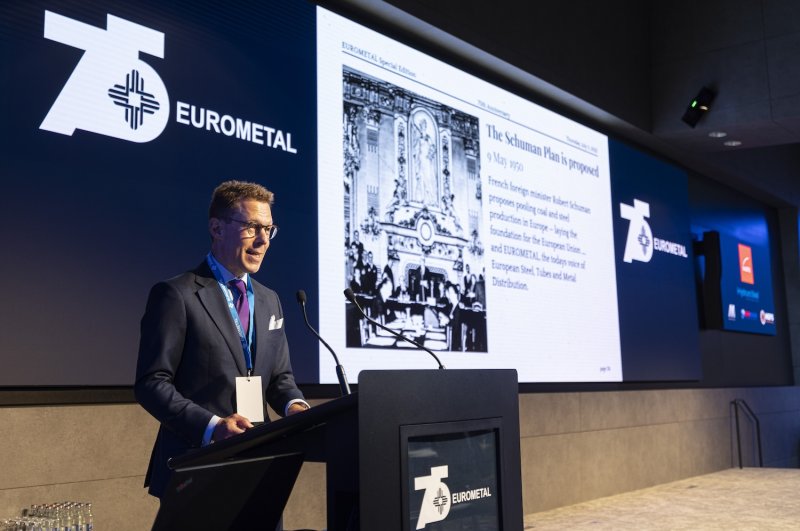
EUROMETAL itself is lobbying for the introduction of measures to import steel products (steel derivatives), as demand for products sold by its members has been affected by cheaper imports of components and finished products from Asia. EUROMETAL represents the interests of steel distributors and importers. Its president, Alexander Julius, repeated calls for participants and the entire supply chain to provide evidence of difficulties associated with the import of secondary products.
On the sidelines of the conference, one of the car suppliers said that the European business has no chance to compete with the Asian one. He noted that Chinese electric cars sell for about $20,000, which is much cheaper than their Western counterparts. China's strong control over the battery supply chain gives it an advantage that will be difficult to overcome, he said.
The European Commission understands the difficult situation of the industry and is ready to act, but the main thing is the quality of execution, the speakers and participants of the conference said; the bureaucracy in the EU and its intention to comply with WTO requirements prevents the early implementation of the policy, the delegates said.
Anthony de Carvalho, head of the OECD's steel division, said that policymakers are much more aware of the situation facing the industry and have real ambitions to take tangible action — one fifth of trade is bypassed, according to WTO analysis.