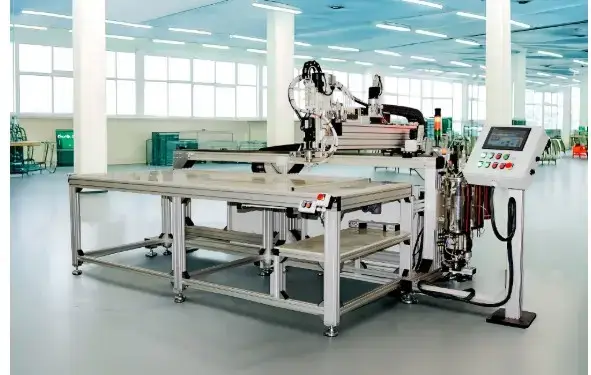
Choosing polyurethane casting equipment in 2026 requires a careful approach and knowledge of current trends in this field. Modern technologies offer a wide range of solutions to optimize the production process and improve product quality. In this article, experts share their tips on choosing equipment to help entrepreneurs and manufacturing companies make an informed choice. Let's look at the key aspects that should be considered when choosing polyurethane casting equipment.
Analysis of production requirements: volumes, specifications and features of the final product
The selection of polyurethane casting equipment begins with an analysis of production requirements. Before buying polyurethane casting equipment, it is necessary to carefully evaluate the production volumes. This will help determine the type and size of the necessary equipment. For example, compact installations are suitable for small industries, while large enterprises will need equipment with higher productivity.
Hardware specifications play a key role in the selection process. It is important to take into account such parameters as the feed rate of the material, the ability to adjust the temperature and pressure. These factors directly affect the quality of the final product. The equipment must meet the requirements of the production process, including the ability to work with various types of polyurethane systems.
The features of the final product also dictate the hardware requirements. Different products require different casting and processing approaches. For example, the production of rigid polyurethane products requires some conditions, while soft and elastic products require completely different settings. These nuances should be taken into account when choosing an installation.
In addition, the following aspects must be considered::
- Type of polyurethane system (rigid, elastic, hybrid).
- Requirements for the accuracy of dosing and mixing of components.
- The complexity of the shape and size of the manufactured products.
- Requirements for automation and integration into existing production lines.
An analysis of all these factors will allow you to choose the equipment that is best suited for a particular production. This will ensure high productivity and product quality, minimizing costs and risks. The right approach to choosing equipment contributes not only to improving production efficiency, but also to meeting customer needs, which is a key factor for a successful business.
Technical characteristics of the equipment: productivity, dosing accuracy and durability
By