The insulation of pipes in communication systems ensures a long service life and preservation of operational characteristics. Uninsulated pipes wear out quickly under the influence of condensation and vibration loads. Insulation also reduces heat losses, prevents pipes from freezing, and hides noise and shock loads generated during the transmission of the working medium inside the system. Different materials are used to insulate the pipeline, differing in manufacturing technology, performance characteristics and service life.
Types of insulation for pipes
For insulation of heating systems, water supply, sewerage, ventilation, as well as industrial pipelines, use:
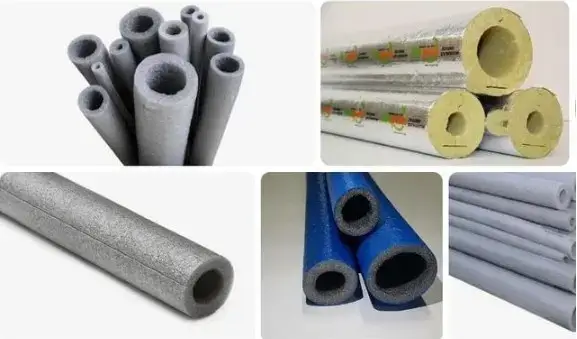
- mineral wool is an insulating material with a fibrous structure obtained by melting rocks. For ease of installation of various communication systems, minvata is produced in the form of cylinders of different diameters, plates or mats. Mineral wool is characterized by high fire resistance, low thermal conductivity, good vapor permeability and sound insulation properties. Mineral wool cylinders are effective in insulating pipelines with hot working media and are easy to install. Insulation of communications with mineral wool requires the installation of an additional waterproofing layer due to the ability of fibers to absorb water well.;
- Foamed polyethylene is a lightweight insulation with a fine—mesh structure that retains heat well and increases the energy efficiency of the coolant. The material is produced in the form of hollow tubes of different diameters for ease of installation. You can view the assortment on the manufacturer's website. https://poriflex.com/prod/vspenennyj-polietilen /. Foamed polyethylene does not absorb water, which prevents condensation from forming. The high flexibility and elasticity of polyurethane foam allows it to restore its original shape when crumpled or squeezed.;
- Foamed rubber — insulation made of foamed synthetic rubber can withstand high temperatures, is characterized by elasticity, high moisture resistance, low elasticity even with a small layer thickness. The high flexibility of rubber makes it possible to insulate hard-to-reach sections of the highway. Rubber is resistant to chemicals, oils, solvents, and other aggressive substances.
How to choose insulation for pipe rolling
The choice of insulation solution depends on the properties and scope of the material.:
- mineral wool is used to insulate industrial rolled products, as well as systems with high-temperature coolant or enhanced requirements for fire safety and sound insulation.;
- Polyurethane foam is used in domestic and engineering heating systems with maximum efficiency.