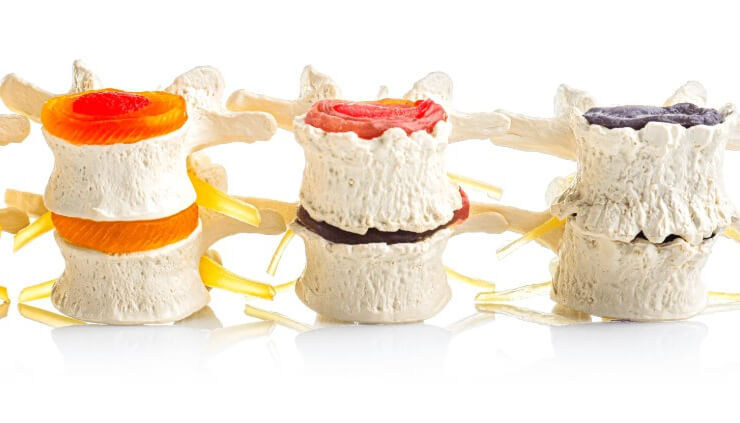
Many patients hope that osteochondrosis will "resolve" if they just wait. However, evidence-based medicine claims that degenerative changes in the intervertebral discs are irreversible, and without active human involvement, the disease will progress. Nevertheless, with a proper approach, it is possible not only to stop the development of pathology, but also to significantly improve the quality of life. The key lies in the combination of prevention and treatment of osteochondrosishttps://tkachevmoscow.ru/osteochondrosis rather than waiting for a miracle. It is especially important to start timely treatment of osteochondrosis of the back before the changes become chronic with irreversible consequences. At the Tkachev Clinic in Moscow, doctors focus on an active strategy: passive monitoring is replaced by an individual recovery program.
What does science say?
According to current clinical guidelines (including data from the Cochrane Collaboration and international vertebroneurological associations):
- Osteochondrosis is a chronic degenerative disease that does not go away on its own.
- However, the symptoms may temporarily disappear with improved blood circulation, reduced stress, or strengthening of the muscular corset.
- Without lifestyle correction, remission is short-lived, and exacerbations become more frequent and more severe.
- In the early stages, functional recovery is possible even in the presence of structural changes.
Why won't it "pass by itself"?
Intervertebral discs do not have their own vessels — their nutrition depends on diffusion from the surrounding tissues. With a sedentary lifestyle, muscle weakness and impaired posture, this process is disrupted. Without interference:
- The discs continue to lose moisture and height.
- The vertebrae converge, osteophytes (bone growths) are formed.
- The biomechanics of the entire spine is disrupted.
- Secondary problems develop: protrusions, hernias, and stenosis.
What really helps — according to research
Proven effectiveness in osteochondrosis has:
- Regular physical therapy: strengthening the deep muscles of the back and abdomen is the basis for spine stability.
- Aerobic activity: walking, swimming, cycling improve microcirculation and nutrition of discs.
- Correction of workplace posture and ergonomics.
- Body weight control: every 5 extra kilograms increases the load on the lower back by 20-30 kg.
- Quitting smoking: nicotine dramatically worsens the diffuse nutrition of discs.
The role of professional support
Independent attempts to "heal" often lead to mistakes: incorrect exercises, excessive loads, ignoring biomechanics. At the Tkachev clinic in Moscow, patients are offered:
- Diagnosis based on individual characteristics