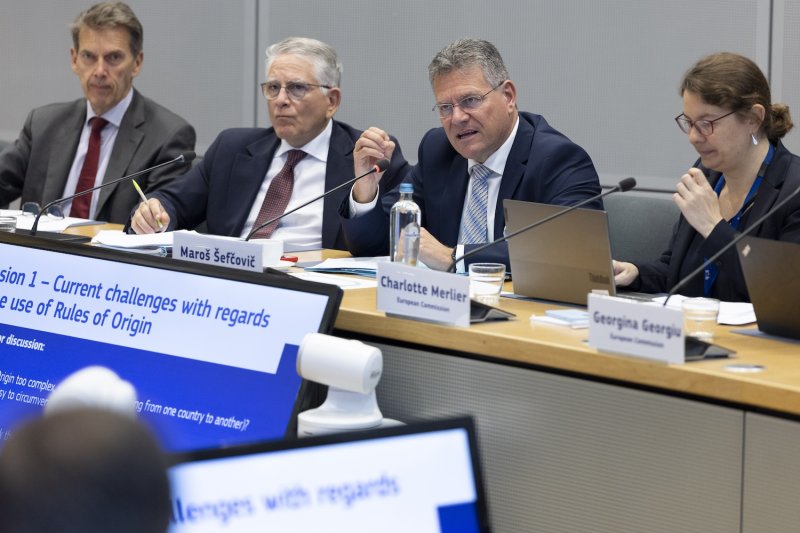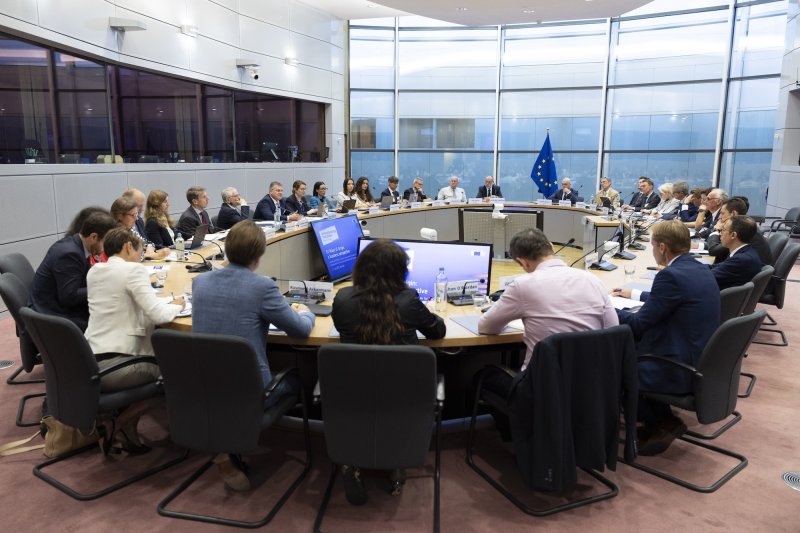
EUROMETAL, together with the largest European steel producers and industry associations, participated in the European Commission's Dialogue on the Implementation of EU Rules of Origin: A Business Perspective, organized by TAXUD CEO and chaired by Commissioner Maros Sefcovic, responsible for Trade and Economic Security.
The dialogue brought together policy makers and industry stakeholders to constructively exchange views on how to modernize and simplify EU Rules of Origin (RoO), a key component of customs legislation that increasingly affects trade protection, sustainable development policies, and access to global markets.
Strong steel construction. industry presence
EUROMETAL President Alexander Julius joined a broad coalition of stakeholders from across the steel value chain, including major producers, processors and trade associations, to deliver a unified message: rules of origin must become more practical, consistent and fit for purpose in a changing global environment. trading environment.
The discussion focused on bringing RoO in line with business realities, eliminating national inconsistencies, and ensuring that regulations are consistent with EU climate and industrial policy objectives.
The main ideas of Commissioner Sefcovic
Commissioner Sefcovic has recognized the crucial role of rules of origin and is committed to a comprehensive reform process.
His main findings include:
Simplification and consideration of industry specifics: RoO should be easier to apply and adapted to the specific characteristics of each sector. All participants welcomed the sectoral approach.EU-wide harmonisation: Inconsistent implementation by member states poses serious challenges. Harmonization of RoO application is necessary to restore equity and reduce barriers in the domestic market.Digitalization as a cornerstone: The upcoming customs reform provides for the creation of a European data center, digital passports of goods and compliance tools based on AI, with special attention to accessibility for small and medium-sized businesses.The strategic role of RoO in trade protection. Sefcovic confirmed that rules of origin are increasingly being linked to CBAM, safeguards and circumvention measures, especially in important sectors such as steel and aluminum.Strategy