The industry is experiencing not just another round of development, but a real technological revolution. Modern enterprises are forced to respond to the growing demands of the market, stricter environmental regulations and fierce competition for personnel. How is the industrial equipment landscape changing? What solutions are already determining the productivity and sustainability of the industry?
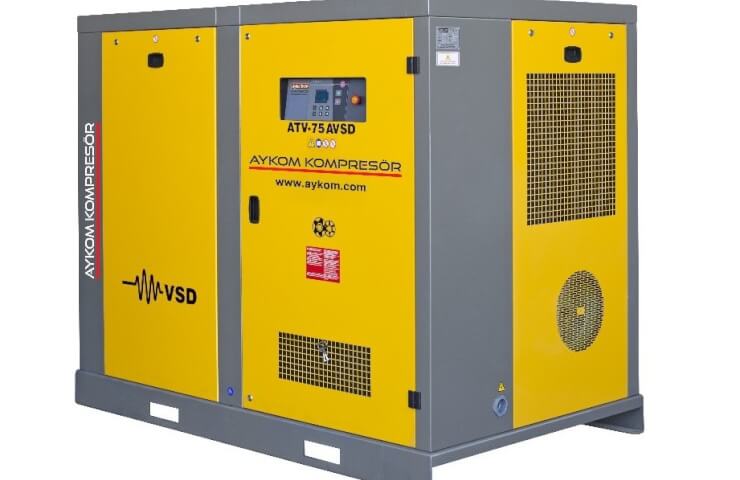
Digitalization and automation are not buzzwords, but a real driver of efficiency. Already in the first half of 2025, experts note that the widespread adoption of IoT devices, sensors, and data collection systems allows not only to monitor every stage of production, but also to predict failures, optimize logistics, and even take care of employee safety. In this context, special attention is paid to solutions such as direct drive compressors in vozduhoduvka-aerzen.ru — they provide high productivity, reliability and cost-effectiveness, which is especially important for enterprises with a continuous cycle.
Predictive maintenance: from reaction to proactive
Routine maintenance is becoming a thing of the past. Today, a predictive approach is coming to the fore: sensors, artificial intelligence, and data analytics make it possible to predict equipment wear and breakdowns long before they occur. This not only minimizes downtime and emergency repair costs, but also prolongs the service life of the equipment. Transparency and responsiveness are becoming key competitive advantages.
Integration of IoT and smart factories
In 2025, IoT platforms will permeate all levels of the production process, from machine tools and warehouses to employee wearables. Each element of the system is connected to a central platform where data is analyzed in real time. This allows you to:
- Instantly identify bottlenecks and optimize flows
- Reduce energy consumption and waste
- Improve staff safety
As a result, businesses become more flexible, respond faster to changes in demand, and reduce costs. It is no coincidence that smart factories are called the basis for the sustainable development of the industry.
Artificial intelligence and digital twins
AI is no longer just an experiment — it is a working tool. Machine learning algorithms optimize processing routes, reduce machine programming time, and automate routine tasks. For example, modern AI-enabled CAM systems are able to create tool paths in a matter of seconds, which previously took hours.
Digital twins — virtual copies of equipment and production lines — allow you to test new processes, identify errors and optimize settings without risking the real