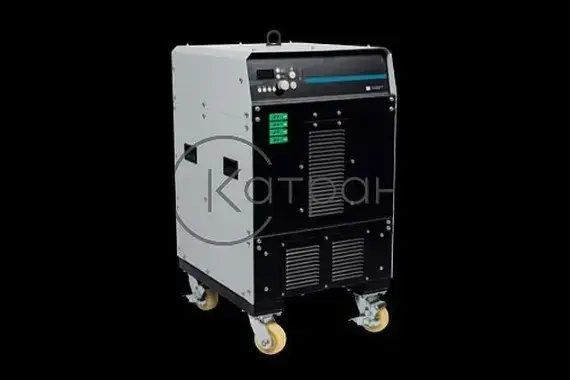
Spot heating of the metal allows local impact on problem areas, reducing the risk of cracks, deformations and loosening of welded joints. Temperature control and proper heat distribution are critical to preserve the microstructure of the metal, prevent thermal stress, and ensure the durability of the structure.
Site analysis and identification of critical zones
The first stage is a detailed assessment of the site that is subject to spot heating. The wall thickness, material, prehistory of heat treatment and the presence of welds are taken into account. Special attention is paid to areas with high stress concentrations, junctions, transitions between different metal sections, as well as areas where traces of corrosion or local defects were previously visible.
Non-destructive testing methods are used to accurately identify critical points: ultrasonic flaw detection, magnetic powder method, visual and instrumental analysis and thermography. Mapping temperature zones allows not only to determine the permissible heating limits, but also to plan the location of thermocouples and inductors in advance, minimizing the risk of microcracks and deformations.
It is important to take into account not only current voltages, but also the possible impact of future operating cycles, so that the heating zone can withstand repeated thermal loads.
Selection of equipment and type of inductor
The choice of equipment depends on the shape and size of the impact zone, the requirements for the depth of heating, and the need to minimize the thermal impact on neighboring areas. Compact inductors or specially designed flexible models are used for local heat treatment, allowing them to wrap around complex geometric areas and hard-to-reach places.
Professional heat treatment inductors provide a concentrated magnetic field directed strictly at the point of impact. This minimizes heat loss, accelerates the heating process, and ensures stable heating of flanges, seams, and transition areas.
Modern models are often equipped with automatic power adjustment systems that allow them to adapt to changes in metal thickness and design features, which is especially important for repeated heating cycles on the same part.
Setting the heating modes
Proper adjustment of power, frequency, and exposure time is critical to prevent overheating and preserve the metal structure. Thick-walled elements require a lower frequency and prolonged heating for uniform heating over the entire thickness, while thin-walled ones