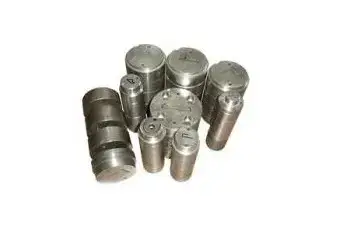
The efficiency and profitability of modern production of plastic products largely depend on the quality and durability of the main working tool — the technological equipment. Injection molds and extrusion heads operate under conditions of extreme mechanical stress, high temperatures and constant exposure to abrasive or chemically active melts. The right choice of materials for their creation is not just a technical detail, but a strategic decision that determines the stability of the entire production process, the quality of products and the overall economics of the project.
Tool steels: the basis of reliability and precision
The heart of any mold or extrusion head is the steel from which their key components are made. Choosing a specific brand is a compromise between properties such as wear resistance, strength, viscosity, thermal conductivity and, of course, cost. For large-scale production of products made of common thermoplastics (PE, PP, ABS), pre-hardened steels are often used, for example, grade P20. Their main advantage is the uniform hardness over the entire volume of the workpiece, which greatly simplifies machining and reduces the risk of deformation during subsequent heat treatment. This makes it possible to optimize the time and cost of manufacturing technological equipment.
However, when processing plastics with abrasive fillers (fiberglass, talc) or with high requirements for precision and surface cleanliness, hot—treatment steels such as H13 become indispensable. This brand has outstanding heat resistance and resistance to thermal cyclic fatigue - the ability to withstand multiple sudden temperature changes in each casting cycle. After vacuum quenching and tempering, H13 acquires a high hardness (48-52 HRC), providing abrasion resistance and maintaining geometric shape accuracy for hundreds of thousands of cycles. This steel is the standard for critical tooling parts: forming inserts, cores, spigot bushings.
Corrosion-resistant martensitic grade tool steels are used for the production of products where absolute surface cleanliness is critically important (medical, optical parts) or when working with aggressive polymers (PVC, polycarbonate with flame retardants). The high chromium content in their composition creates a reliable barrier against chemical corrosion, pitting and melt adhesion. This ensures that the mirror polishing of the forming surface will not be disrupted, and the finished products will not show defects related to damage to the tooling material.