
Your roof protects everything you value inside your home—your family, furniture, and memories. Over time, it starts to show signs of wear, whether from storms, heat, or simply age. When that happens, you’re left with a big decision: should you restore your roof or replace it entirely? It’s not always easy to know which option is better. Both come with pros and cons, and what works for one home may not work for another. Making the right choice starts with understanding what each option involves.
In this guide, we’ll break down the key differences between roof restoration and roof replacement. You’ll learn how each process works, when it’s appropriate, and how to decide what’s right for your home and budget. Let’s make your next roofing decision easier, smarter, and stress-free.

Understanding the Difference Between Roof Restoration and Replacement
Roof restoration and roof replacement sound similar, but they’re very different approaches. Restoration is about fixing and upgrading your current roof without removing it entirely. It often includes cleaning, repairing, resealing, and repainting. On the other hand, replacement means removing all roofing materials down to the deck and starting from scratch. While restoration is usually cheaper and faster, it’s not always the right choice. If your roof has serious structural issues or damage beneath the surface, replacement is the safer bet. Age also plays a big role—roofs older than 20–25 years are often beyond restoration. Still, many homeowners waste money by replacing roofs that could’ve been restored. That’s why it’s so important to assess the real condition of your roof before deciding. When in doubt, a qualified roofer can help guide the way. Read more on this topic here: https://www.band.us/page/99212498/post .

When Roof Restoration Is the Better Choice
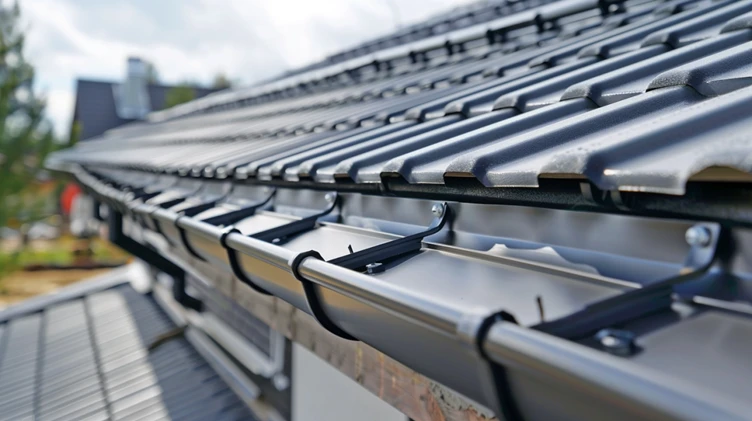
Roof restoration is a great option when your roof is mostly in good shape but needs a little help. It’s less invasive, more affordable, and faster to complete. If the damage is only cosmetic or limited to a few areas, restoration can give your roof a new life. It also works well for relatively young roofs with minor leaks, fading, or buildup of moss and debris. Many homeowners choose restoration to extend the life of their roof without spending a fortune. Plus, it’s an eco-friendly option since fewer materials go to waste. But restoration isn’t always the right solution—there are limits to what it can fix.
Here are 5 signs that roof restoration might be right for you:
- Your roof is under 20 years old
- Only a few tiles or shingles are damaged
- There are no signs of structural damage or sagging
- Leaks are minor and easy to locate
- You want a more affordable option with fast results
Restoration helps you save money while protecting your home from future issues. It can also make your roof look brand-new again without a full tear-off. Still, it’s important to get a full inspection first to ensure the issues are only surface-level. If there’s hidden damage, going with restoration might lead to problems later on. Learn more in this useful post: https://www.tumblr.com/darrencormack/795429479327662080/re-roofing-when-replacing-a-roof-is-more?source=share .

When Roof Replacement Is Unavoidable
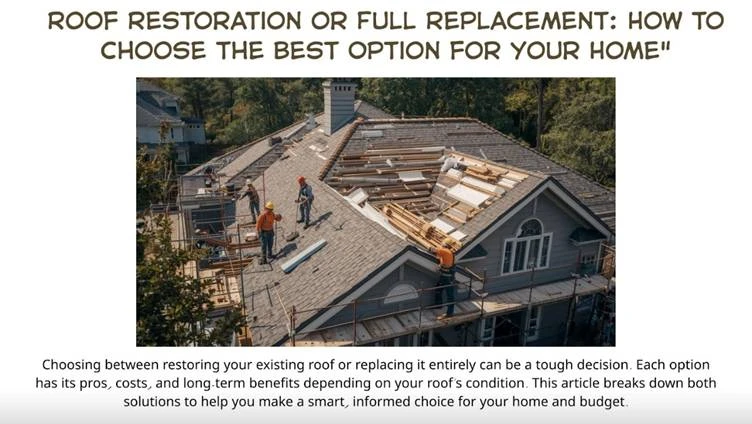
Sometimes, no amount of patching or painting will save an old or severely damaged roof. That’s when replacement becomes the smarter—and safer—choice. Roof replacement is necessary when the structure is compromised, there are widespread leaks, or the materials are simply too old to function properly. This is especially true for roofs older than 25 years, or those that have been repaired repeatedly. While it costs more upfront, replacement ensures your entire roofing system is solid from the base up. It also gives you the chance to upgrade to better, more energy-efficient materials. Think of it as a full reset that provides peace mind for decades.

How to Know It's Time for a Roof Replacement
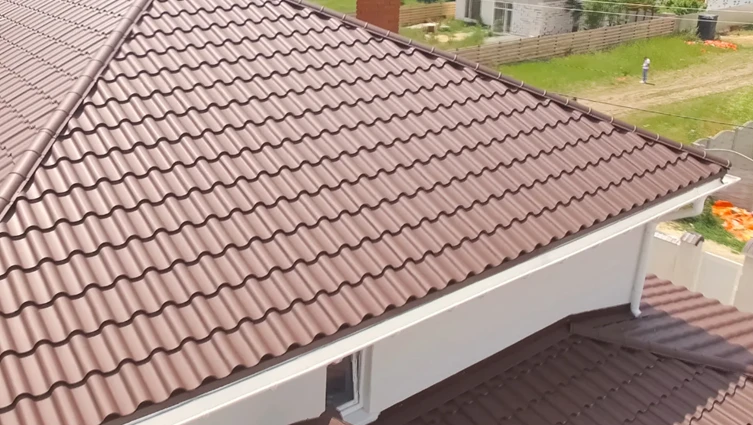
Not sure whether your roof has reached the end of the road? There are some clear signs that point toward full replacement. If you’re seeing problems in multiple areas, or the roof just looks worn out all over, that’s a red flag. The goal here is to avoid throwing money at temporary fixes that don’t last.
Here are 6 signs it’s time to replace your roof:
- Your roof is 25+ years old
- Shingles are curling, cracking, or falling off
- You’ve had several leaks in the past year
- Daylight is visible through the attic ceiling
- There’s mold, rot, or sagging in the structure
- Repairs cost more than half of a new roof
To make your decision easier, let’s compare both options side by side:
|
Factor |
Restoration |
Replacement |
|
Average Cost |
$3,000–$7,000 |
$7,000–$20,000+ |
|
Timeline |
2–5 days |
5–10 days |
|
Lifespan Extension |
10–15 years |
20–50 years |
|
Environmental Impact |
Lower (less waste) |
Higher (more material waste) |
|
Suitable for Structural Issues |
❌ |
✅ |
|
Adds Energy Efficiency |
Moderate improvement |
High improvement |
A new roof is a big investment, but sometimes it’s the only safe option. You don’t want to delay replacement if the roof is putting your home at risk. A professional inspection will confirm whether restoration can do the job—or whether it’s time to start fresh. Explore our full analysis here: https://hackmd.io/@zI9pH0PDSHWmtNNKcGYbQw/rko13aGneg .

Key Factors to Help You Choose
Making the right choice between restoration and replacement comes down to a few key factors. Age is number one. If your roof is under 20 years old and in decent shape, restoration could be a great solution. Budget also plays a big role—restoration is typically more affordable, but if your roof is failing, you’ll just be delaying the inevitable. Consider how long you plan to stay in your home. If you’re moving soon, restoration might be enough. But if you’re settling in for the long haul, investing in a replacement can save you money over time. Also, think about energy efficiency. Replacement often comes with upgrades that reduce heating and cooling costs. Finally, get a professional opinion before making the call.
Roof problems are never fun, but the good news is—you have options. Both restoration and replacement have their advantages, depending on your roof’s age, condition, and your long-term goals. Restoration is faster, more affordable, and eco-friendly, but it’s best for roofs in generally good shape. Replacement costs more and takes longer, but it offers a fresh start and long-term protection. The key is to act before small issues become big ones. Get your roof inspected by a trusted professional who can give honest advice. Whether you restore or replace, the most important thing is to protect your home from further damage. Make the right call now, and your future self will thank you.