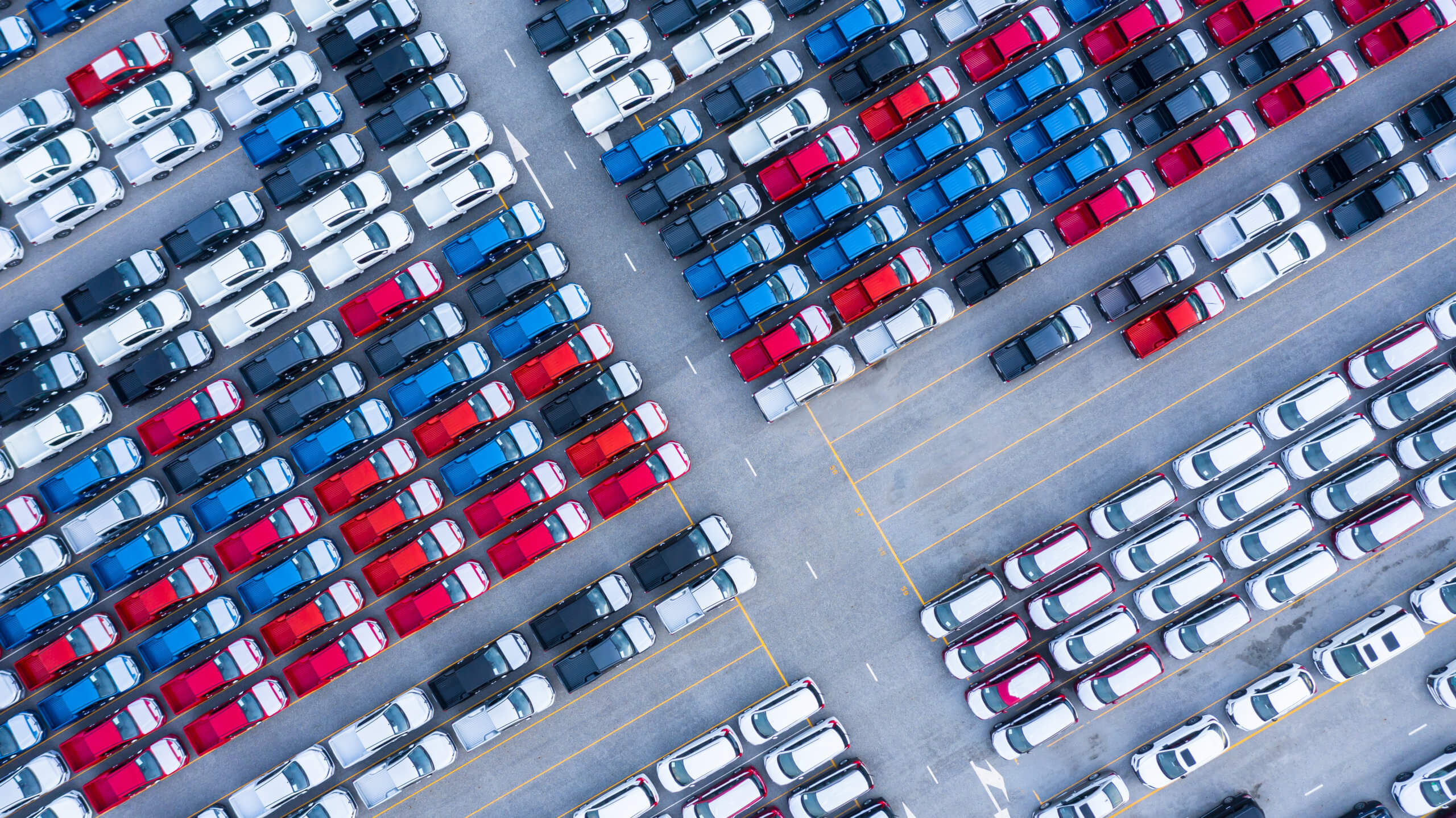
Special attention should be paid, in particular, to the automotive and steel industries, so that they remain stable and competitive in the global market and in a difficult geopolitical environment. This is the conclusion reached by the European Council at its meeting on October 23 in Brussels.
"In this regard, the Council welcomes the recent proposal by the European Commission to protect the European steel sector from the unfair consequences of global overcapacity," the Council said in a statement.
Earlier this month, the Commission proposed a new trade measure to replace the existing protective measures, which aims to reduce quotas by 47% and increase the duty-free import quota to 50%, but does not apply to steel derivatives (see Kallanish passim). The legislation must be approved by the European Council and Parliament before it can enter into force.
"It welcomes the Commission's intention to continue the review provided for in the Regulation on CO2 Emission Standards for Passenger Cars and Vans, and calls for the early submission of this proposal, taking into account technological neutrality and European content," the Council adds.
The Council also called for an urgent intensification of efforts to ensure the supply of affordable and clean energy and the creation of an Energy Union by 2030, including through the involvement of a new Energy Union Task Force. "This will require large-scale electrification using all zero- and low-carbon solutions, as well as investments in electricity grids, storage facilities and interconnections at the national and EU levels," it says.
"In light of the negative impact of high energy prices on the global competitiveness of European industries, on the strategic autonomy of the European Union and on European households, the European Council calls on the Commission to accelerate work aimed at reducing energy prices and supporting sustainable energy production in the Union." he adds.
Adam Smith Austria

Kallanish.com