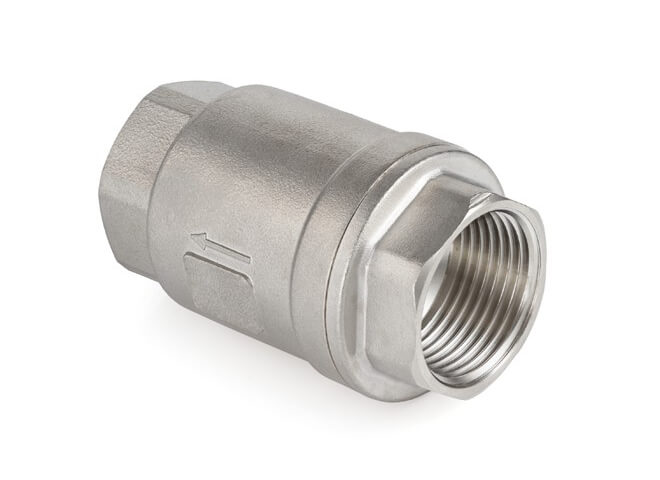
The efficiency and safety of any hydraulic system, whether in special machinery, industrial equipment or high-pressure stations, often depends on the speed and reliability of the connection of hydraulic lines. The solution to this problem is special devices that allow connecting or disconnecting the main line in a matter of seconds without loss of fluid and contamination. These devices are known as quick-release couplings (BRS).
Purpose and principle of operation
The main purpose of hydraulic BRS is to ensure fast, tight and safe connection/disconnection of various sections of the hydraulic circuit. They are indispensable for frequent changes of attachments, for connecting measuring instruments, and in systems requiring regular maintenance. The principle of operation is based on the "nipple-socket" design. When connected, the locking balls or cams in the socket snap onto the nipple, providing reliable mechanical fixation. The shut-off valves on both sides open simultaneously, restoring the flow of the working fluid. When disconnected, the valves automatically close, preventing oil leakage and contamination from entering the system. Properly selected hydraulic control systems minimize equipment downtime and increase labor productivity.
Key advantages of using
-
Time saving: The connection process takes seconds, requiring no tools.
-
Cleanliness: Automatic valves block liquid leakage and protect the system from dust, dirt and abrasive particles.
-
Safety: Reduces the risk of depressurization and injury to the operator associated with contact with hydraulic fluid under high pressure.
-
Versatility: Allows you to quickly reconfigure hydraulic systems for different tasks.
-
Cost reduction: Minimizes the loss of expensive hydraulic fluid and increases the service life of the system.
Main types and design features
The BRS is classified according to several parameters, the main of which is the type of locking mechanism.
Connections with discontinuous flow
This is the most common type. The valves in the nipple and socket only open when fully and correctly connected. When disconnected, they close simultaneously, causing virtually no fluid loss. Ideal for most standard applications.
Pressure-free rupture connections
In these models, the valve in the outlet (on the side of the line) opens first and closes.


