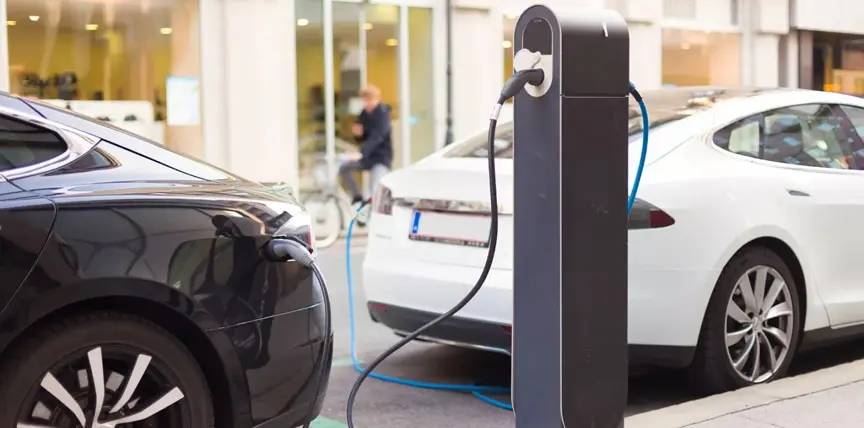
The German government, formed by a coalition of the CDU/CSU and the SPD, has unveiled details of a new car subsidy program that comes into force on January 1 and provides for a payment of up to 6,000 euros for each newly registered car, and not only fully electric cars are eligible for subsidies, according to Automobilwoche.
Battery-powered electric vehicles are eligible for a basic subsidy of 3,000 euros, while plug-in hybrid vehicles and mileage extension vehicles receive 1,500 euros. Additional support depends on family circumstances, not on the type of occasion: families receive 500 euros per child, up to 1,000 euros, as well as income-based bonuses if the family's income is below 60,000 euros or 45,000 euros, which adds 1,000 euros to each threshold. In total, the surcharges can reach 2,000 euros, which makes it possible to double the total amount of the subsidy. Households whose annual income does not exceed 80,000 euros are eligible for the benefit. Applications will be submitted through the online portal, which is scheduled to launch in May, and can be submitted within a year of registration.
The government has allocated 3 billion euros, which is enough to support approximately 800,000 vehicles for three to four years. Unlike previous apps, manufacturers and importers are not required to contribute, and there are no provenance or local content requirements. The support is limited to private buyers and applies to purchases or rentals, provided that cars connected to the power grid emit no more than 60 g of co₂/km or have an electric range of at least 80 km. To prevent abuse, a minimum tenure period of 36 months has been established. Used cars and light electric motorcycles are excluded, which raises concerns about negative consequences for the used electric vehicle market.